

Professional Verandah Building in Hobart
Decking Hobart Specialist
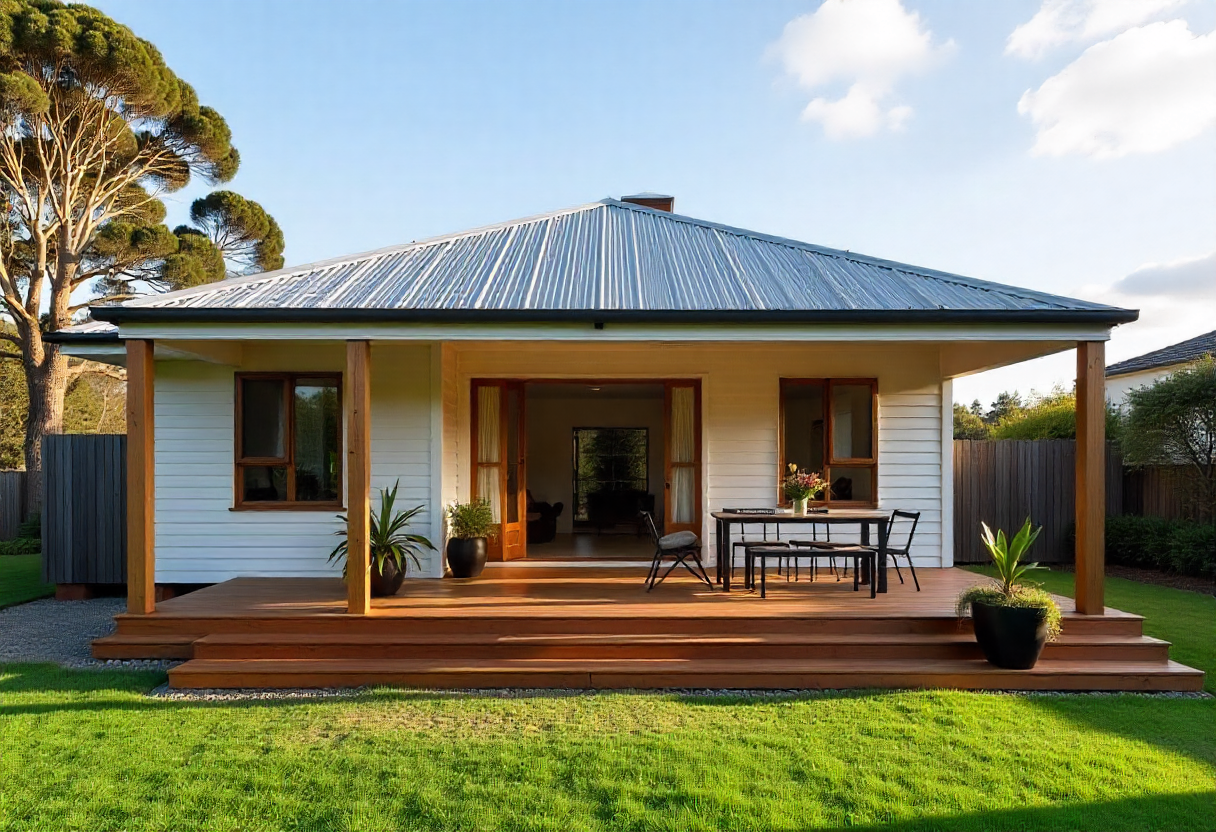
Professional Verandah Building in Hobart
Been building verandahs around Hobart for years now, and there’s something special about a well-built verandah on a Tasmanian home. Whether you’re in Battery Point with a heritage cottage that needs a traditional bullnose, or you’re up in South Hobart wanting something more contemporary, we’ve built verandahs that actually work with our weather—not against it.
Verandah building here isn’t the same as what you’d do on the mainland. We get winds that’ll test every fixing, rain that finds every gap, and if you’re in the foothills, you might even get snow settling on that roof. That’s why we build verandahs with proper pitch for drainage, wind-rated construction that’ll handle what Mount Wellington throws at you, and materials that won’t let you down after a few Hobart winters.
We work across Greater Hobart—from Glenorchy through to Kingston, and everywhere in between. Whether it’s a full-width verandah across the front of your home, a wraparound that follows your roofline, or an enclosed space you can actually use year-round, we’ll sort out the council permits, match your existing architecture, and build something that’ll be there for decades.
Verandah Types We Build
Verandahs offer a range of benefits for homeowners. For those with limited space, it can be the perfect solution to creating more living and entertaining spaces outside their house. This is especially true if you live in an area where winters are cold or rainy so your outdoor space isn’t usable all year round. Verandahs also protect from sun exposure during hot summer days that would otherwise heat your home and increase air conditioning costs.
Full-Width Verandahs are what you see on classic Tasmanian homes—running right across the front, giving you weather protection and that covered outdoor space people actually use. Great for east or north-facing homes where you want shade in summer and shelter when the weather comes in.
Wraparound Verandahs suit character homes and heritage styles, following your roofline around two or more sides. We’ve built plenty in Battery Point and North Hobart where the design needs to match the home’s period. Takes more work getting the corners right, but when it’s done properly, it looks like it’s always been there.
Bullnose Verandahs have that traditional curved roof design you see on older Hobart homes. The curved profile handles wind better than you’d think, and it’s the right choice when you’re matching heritage architecture. We work with curved iron or custom-bent materials to get that authentic look.
Flat Roof Verandahs work better for modern homes with contemporary lines. Simpler construction, clean look, and you can use them as balcony space for second-story additions. Just needs proper membrane and drainage—flat doesn’t mean water sits there.
Enclosed Verandahs give you actual living space that’s protected from Hobart’s weather. Timber-framed with windows, insulated roof, proper flooring—turns what would’ve been outdoor space into somewhere you’ll use even in winter. Popular option for north-facing sides where you want the light without the wind.
Roofing options include Colorbond for durability, corrugated iron when you’re matching existing roofs, or polycarbonate if you want light coming through. Each one’s got pros and cons depending on what you’re after.

Why Choose Our Verandah Building Service
We’ve been building verandahs around Hobart long enough to know what works and what doesn’t. When you’re dealing with heritage homes in Battery Point or modern builds in Kingston, the construction needs to suit both the home’s character and Tasmania’s conditions.
Experienced with Hobart’s building requirements—we know which areas need heritage approvals, where bushfire ratings apply, and how to handle council permits without the project stalling for months. We match your existing architecture whether that’s Federation detailing on a 1920s cottage or clean lines on a contemporary home.
Quality materials chosen for weather performance—the timber we use won’t twist after a wet winter, the steel framing is hot-dip galvanized, and we don’t use fixings that’ll rust out in coastal areas. Proper roof pitch designed for drainage so water doesn’t pool, snow can slide off if you’re in the foothills, and everything’s built to handle wind loads properly.
Wind-rated construction means we’re engineering for Hobart conditions, not just putting up posts and hoping. Every connection point is done right, bracing goes where it needs to go, and when southerlies come through, your verandah stays put.Council permits handled as part of the job, full insurance coverage on every project, and we work with structural engineers when designs need certification. You’re not dealing with someone who’ll disappear halfway through—we’re established in Hobart and we’ll be here if you need us.
Decking Hobart Specialist

Hobart Considerations
Building a verandah in Hobart means dealing with conditions that don’t exist elsewhere. Heritage overlays affect Battery Point, North Hobart, South Hobart, and parts of West Hobart—council approval takes longer and designs need to match the home’s period. We’ve worked through enough heritage applications to know what council wants to see.
Wind and weather loads around Mount Wellington and coastal areas mean structural requirements are higher than standard. Roof pitch needs to handle rain and snow if you’re in the foothills—we’ve seen flat designs fail when snow sits there for days.
Matching existing home character matters whether you’ve got a 1930s weatherboard or a modern render. Wrong verandah design makes the whole house look off. Setback requirements vary by council zone, and you can’t just build to the boundary without checking first.Bushfire zones require BAL-rated materials in some areas—non-combustible or treated timber, ember-proof construction, specific clearances. We sort out what rating applies to your property and build accordingly.
Frequently Asked Questions About Verandah Building
Depends on the size and location. Verandahs under 20m² might be exempt, but that changes if you’re in a heritage overlay, bushfire zone, or near boundaries. Most attached verandahs need a building permit, and heritage areas definitely need planning approval. We check your property’s zoning and overlays before starting, handle the permit applications, and make sure everything’s compliant. Better to do it properly than risk council making you pull it down
Yeah, we work with heritage homes regularly around Battery Point, North Hobart, and South Hobart. That means matching existing rooflines, using period-appropriate detailing, choosing materials that suit the era, and getting designs through council’s heritage advisors. We’ve built bullnose verandahs on Federation cottages, wraparounds on Victorian homes, and traditional timber verandahs that look original. Takes more planning and council back-and-forth, but the result’s worth it
Colorbond handles weather well—won’t rust, comes in colors to match your home, and deals with coastal salt air without issues. Corrugated iron works if you’re matching existing roofs on older homes, just needs proper galvanizing or it’ll rust within years. Polycarbonate lets light through for north-facing verandahs where you want brightness, but it can be noisy in heavy rain. We recommend based on your home’s exposure, whether you’re coastal or inland, and what suits the architecture
Simple verandah—maybe two to three weeks once permits are sorted. That includes footings, framing, roofing, and finishing. Heritage approvals add time before we start, and weather delays happen in winter when ground’s too wet for footings or wind stops roofing work. Enclosed verandahs with windows and insulation take longer—four to six weeks depending on complexity. We’ll give you realistic timelines based on your specific design and what approvals you need.
Pricing depends on size, materials, complexity of the design, and whether you need engineering or heritage approvals. Basic timber-framed verandah with Colorbond roof starts around $15,000-$25,000 for a standard front verandah. Wraparound designs, bullnose roofs, or enclosed verandahs with windows cost more—could be $30,000-$50,000+ depending on what’s involved. Heritage work adds to costs because of council requirements and specialist detailing. We’ll give you a detailed quote after seeing your home and understanding what you’re after.

Contact Us
Decking Hobart specialists have been building decks and pergolas in the greater Hobart area for over a decade. Deck builders are experts at creating custom outdoor living spaces that turn your house into a home. All this at affordable prices that will fit into anyone’s budget! So don’t hesitate to get in touch with us today!!
