
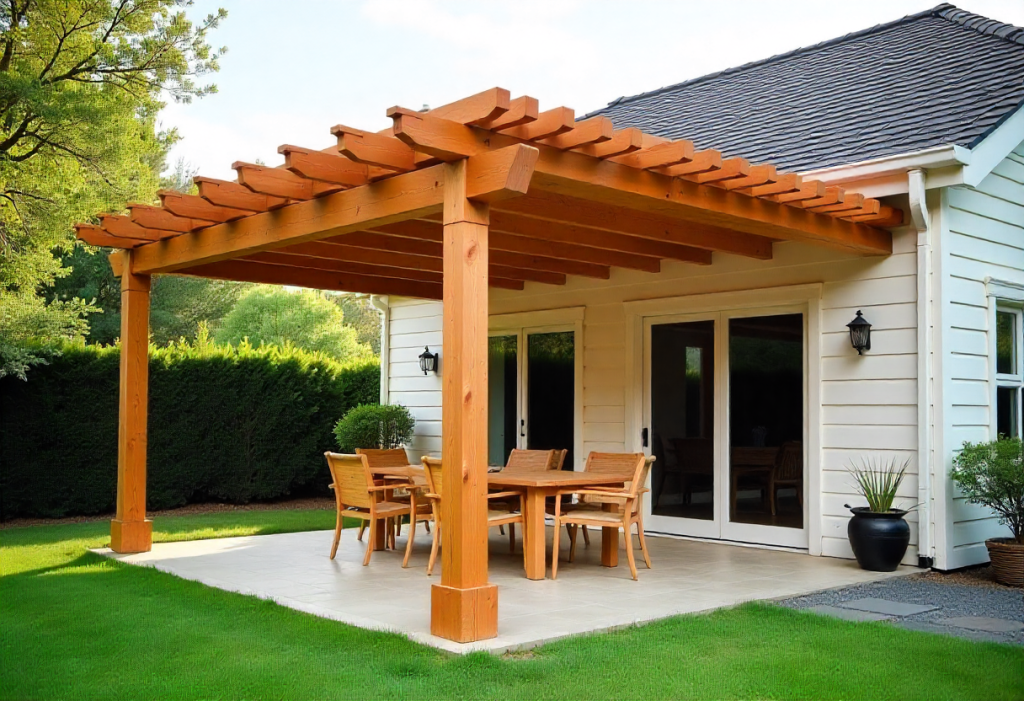
Timber Pergola Installation in Hobart
Decking Hobart Specialist
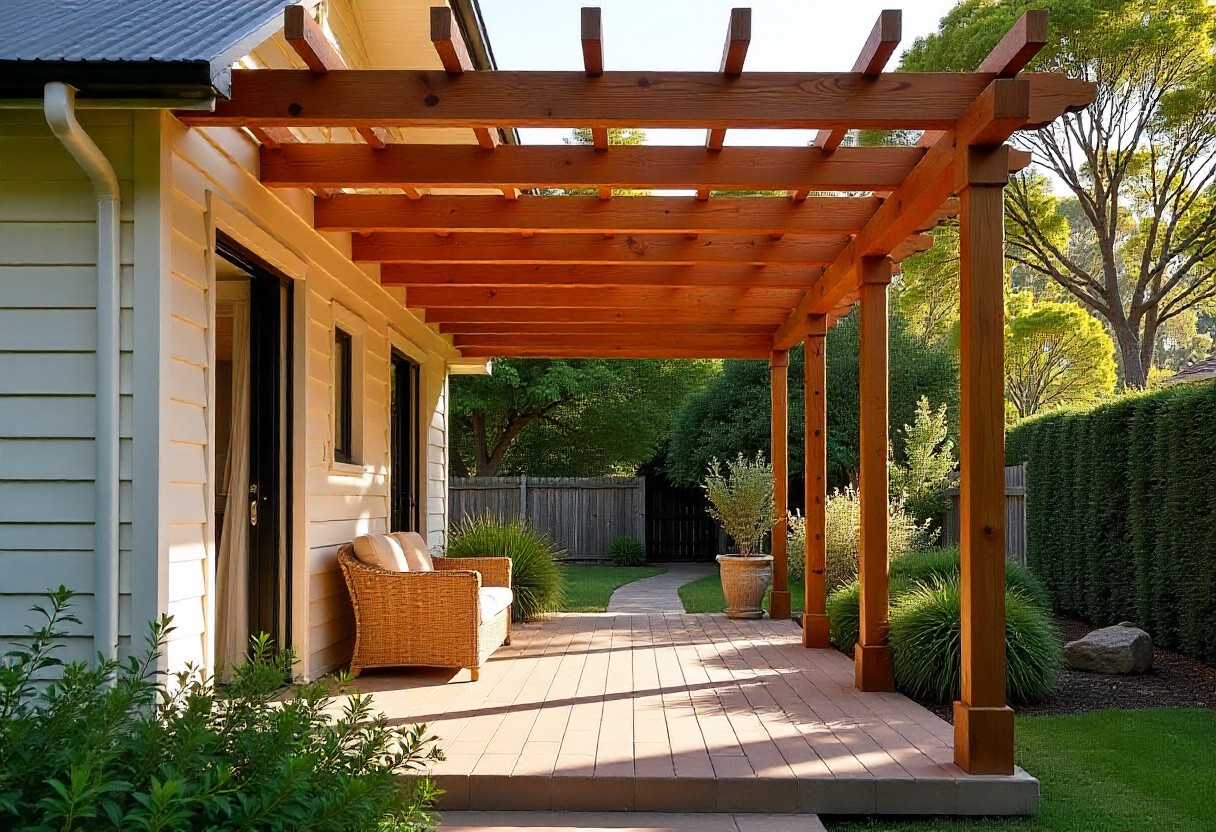
Timber Pergola Installation Contractor In Hobart
Look, there’s something special about a well-built timber pergola. We’ve been installing them across Hobart for years now, and honestly, watching a family enjoy their new outdoor space for the first time never gets old.
Here’s the thing about timber pergola installation in Hobart – it’s not just about slapping up some posts and rafters. Tasmania’s weather throws everything at us. One minute you’ve got beautiful sunshine, next minute the wind’s howling in from the south. Your pergola needs to handle all of it.
We work with homeowners throughout Greater Hobart – from Battery Point’s heritage homes to modern builds in Sandy Bay, and everywhere in between. Whether you’re after a classic treated pine structure or something premium in hardwood, we design and build timber pergolas that actually suit how Tasmanians live. Attached to your house for that seamless indoor-outdoor flow, or freestanding as a garden feature – we build structures that match your home’s style and meet every council requirement.
The best part? Every pergola we install is built specifically for your property, your budget, and how you’ll actually use the space.
Timber Pergola Options in Hobart
Treated Pine Pergolas are your cost-effective option. Don’t let “cost-effective” fool you though – when it’s H3 or H4 treated, pine holds up well in Tasmania’s climate. The real advantage? You can stain it any colour you want. Want to match your existing deck? No problem. Prefer a darker, contemporary look? Easy. We’ve installed hundreds of treated pine pergolas across Hobart, and when they’re maintained properly, they last decades.
Hardwood Pergolas are the premium choice. Merbau’s rich tones or spotted gum’s natural beauty – these timbers don’t need the same treatment as pine. They’re naturally durable, resist rot better, and age beautifully. Yes, they cost more upfront, but some clients reckon the look and longevity are worth every dollar.

Our Timber Pergola Installation Service
Every project starts with a proper consultation at your place. We measure up, discuss what you’re after, look at your existing outdoor structures, and talk through options that actually suit your property and budget.
Quality timber selection matters in Hobart. We source timber that’s appropriate for Tasmania’s conditions – not just whatever’s cheapest that week. H4 treated posts go in the ground, proper grade timber for the structure, and we’re picky about moisture content because warped timber causes problems down the track.
Post footings and concrete work has to be done right. We dig to proper depth, use appropriate concrete mix, and make sure those posts aren’t going anywhere. Seen too many wobbly pergolas around Hobart that were obviously rushed.Wind bracing is non-negotiable if you’re in exposed areas or near the coast. Tasmania gets serious wind, and we engineer our pergolas to handle it. That means proper bracing, right fixings, and AS 1170 compliance.
Decking Hobart Specialist
Pergola Styles We Build
Flat roof designs work brilliantly for modern homes. Clean lines, contemporary look, and they’re popular in newer Hobart suburbs.
Gable roof styles are traditional and practical – rain runs off easily, which matters in our climate. We build heaps of these for weatherboard homes around Battery Point and South Hobart.
Pitched roof pergolas become architectural features. They add serious visual interest to your outdoor space.
Attached pergolas extend your living area. Step straight from your kitchen or living room onto a covered outdoor space. Most of our clients choose attached designs because they just make sense for how Tasmanians actually live. Freestanding pergolas work as separate zones – maybe over a spa, or creating a distinct entertaining area in your garden.
Roofing Options
Open rafters give you partial shade and look fantastic with climbing plants. Wisteria growing over a timber pergola? Beautiful.
Polycarbonate sheeting keeps the weather out but lets light through. Great for areas where you want protection without making it feel enclosed.
Colorbond roofing gives you full weather coverage. It’s basically another outdoor room at that point.
Shade cloth blocks UV while keeping airflow. Perfect for our summer days. Louvre inserts let you adjust coverage depending on weather and sun position. Bit more expensive, but some clients love the flexibility.
FAQs About Timber Pergola Installation Services
For treated pine, H4 for in-ground posts and H3 for above-ground structure works well here. For hardwood, Merbau and spotted gum are both excellent – naturally durable and handle our weather without issues. Blackbutt’s another good option. Some clients ask about Tasmanian oak, but for outdoor structures exposed to weather, we typically recommend the harder, more durable species. The decision usually comes down to budget and look – pine can be stained to match anything, hardwood gives you that premium natural appearance.
Yeah, they do. Every 2-3 years you’ll want to clean and re-oil or re-stain. Takes a weekend if you do it yourself, or we can organize maintenance for you. Hardwood needs it less frequently than pine, but both benefit from regular care. Think of it like maintaining your deck – same principle. The good news is that properly maintained timber pergolas last 25-30+ years in Hobart. Skip the maintenance though, and you’re looking at rot, splitting, and problems within 10 years. We give all our clients a maintenance guide when we finish installation
Absolutely. We do it all the time – someone builds an open pergola, uses it for a few years, then decides they want more weather protection. Polycarbonate’s the easiest addition because it’s light and doesn’t require much extra structure. Colorbond needs proper engineering because of the weight and wind load, but it’s definitely doable. Louvre systems can be retrofitted too. The main thing is making sure the existing structure can handle the additional load – we assess that first before quoting any roofing additions
With proper maintenance, you’re looking at 25-30 years minimum for treated pine, 30-40+ years for hardwood. We’ve seen well-maintained timber pergolas from the 1980s still going strong around Hobart. The key factors are quality timber selection, proper treatment, correct installation (especially post footings and drainage), and regular maintenance. Neglected pergolas might only last 10-15 years before they need major repairs or replacement. Tasmania’s weather is tough on outdoor structures, but quality materials and proper care make a huge difference.
Treated pine pergolas typically run $8,000-$15,000 for a standard 4x4m attached structure. Hardwood pergolas are $12,000-$22,000+ for similar size. Freestanding structures cost more because they need four corner posts with proper footings instead of attaching to your house. Add roofing, and you’re looking at another $2,000-$6,000 depending on material. Custom designs, larger structures, difficult access, or complex rooflines obviously increase costs. We provide detailed quotes after seeing your property – too many variables to give accurate prices without that. Every project’s different, and we’d rather give you a proper number than a guess over the phone

Building Timber Pergolas for Hobart’s Conditions
Here’s what most mainland builders don’t get about working in Tasmania – our conditions are different.
Timber treatment for moisture isn’t optional. We get serious rainfall, and moisture is timber’s enemy. Every piece of timber that goes near the ground gets H4 treatment minimum. Above-ground structural timber gets H3. Some builders cut corners here – don’t let them.
Wind load requirements are real. AS 1170 compliance isn’t just paperwork – it’s engineering your pergola to handle the wind we actually get in Tasmania. If you’re in an exposed area or up in the foothills, this becomes even more critical.
Post depth matters in our foothills suburbs. Frost line depth varies across Hobart, and your posts need to go below it. Too shallow and you risk movement as the ground freezes and thaws.
Let’s be honest about maintenance – timber pergolas need it. You’re looking at oiling every 2-3 years to keep them looking good and protected. Some clients are fine with that, others prefer composite for this exact reason. Neither answer’s wrong, just depends on what you’re after.
