

Ground-Level Deck Building in Hobart
A Sandy Bay couple called us about their backyard – they’d been watching their neighbours enjoy summer BBQs on a beautiful low-level deck while their own yard sat unused, too muddy for the grandkids to play on. Three weeks later, they had a ground-level deck that’s transformed how they use their outdoor space, and here’s the thing – they didn’t need council approval because it’s under 300mm high.
Ground-level deck building in Hobart’s becoming one of the smartest ways homeowners are adding usable outdoor space without the hassle and cost of elevated decks. If you’ve got a flat or gently sloping block in Battery Point, Kingston, or anywhere across Greater Hobart, a low-level deck gives you that extra entertaining area you’ve been wanting – without the engineering reports, balustrades, and council headaches that come with raised decks.
We build ground-level decks using quality treated timber or low-maintenance composite materials, and we make sure they’re built right for Hobart’s wet climate. That means proper sub-floor ventilation (because moisture’s your biggest enemy down here), correct drainage away from your house, and termite protection that’ll keep your investment safe for decades. Whether you’re after a simple entertaining area out the back, a wraparound deck that flows through your garden, or a safe, accessible space for elderly parents or young kids, a ground-level deck might be exactly what your property needs.
Decking Hobart Specialist
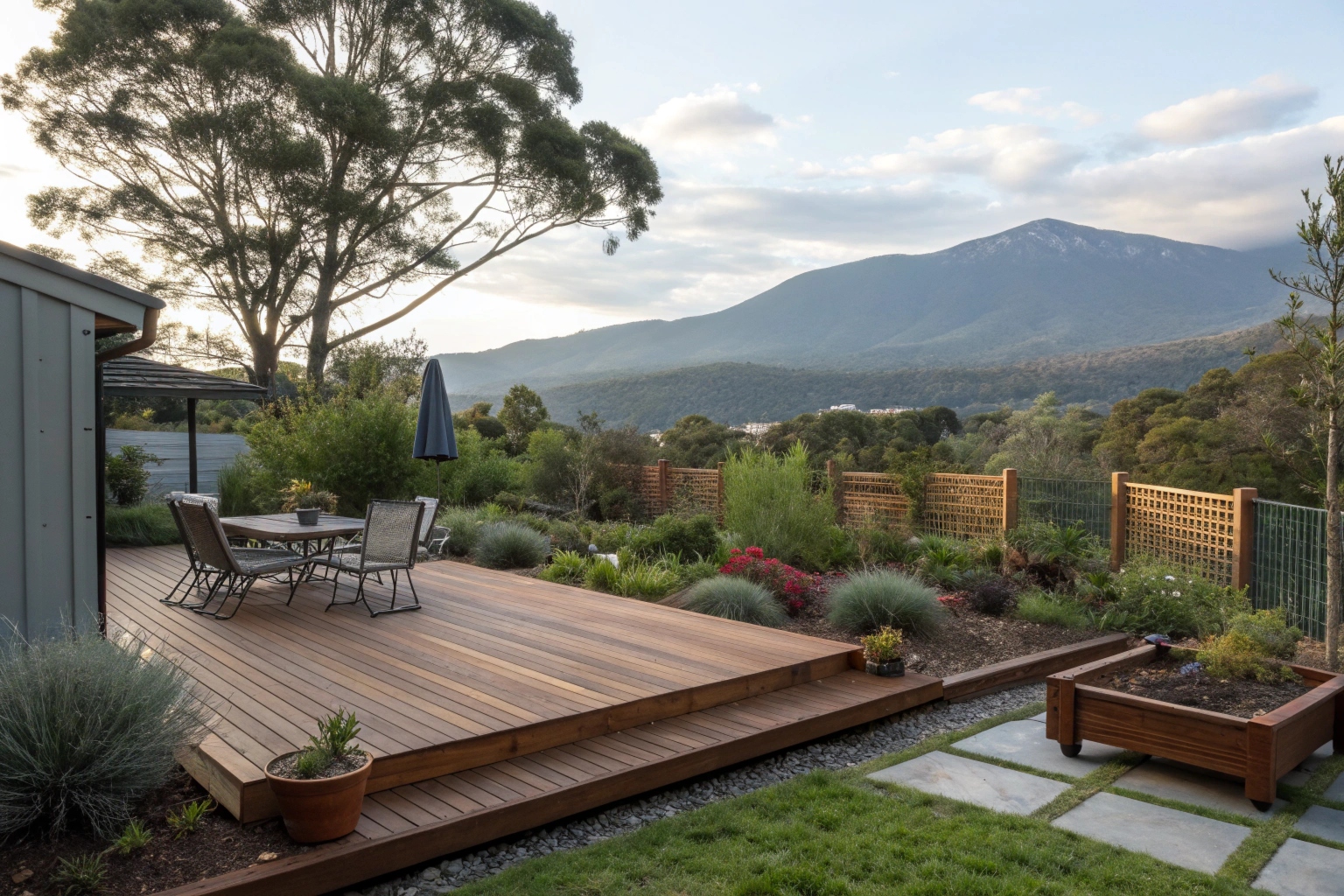
Ground-Level Deck Benefits
Cost-Effective Without Compromising Quality
Here’s what most Hobart homeowners don’t realise – a ground-level deck can cost 30-40% less than an elevated deck because you’re not paying for massive substructure work, engineered posts, or those expensive glass or wire balustrades. You’re getting the same usable space, just without all the extras that elevated decks need. We’ve built plenty of 25-30m² ground-level decks in South Hobart and Blackmans Bay that came in around $12,000-$18,000, where the same area elevated would’ve been $25,000+.
Easy Access for Everyone
Whether it’s your elderly mum coming over for Sunday lunch, toddlers running in and out, or your aging Labrador who can’t handle stairs anymore, ground-level decks make life easier. Most of our clients go with either a step-free transition straight from the house or just one small step down – no railing required, no safety concerns.
Family-Friendly and Pet-Safe
Parents love ground-level decks because the kids can play safely without worrying about falls from height. Your dog can wander on and off without help. And when you’re hosting a BBQ, nobody’s navigating steep stairs with plates of food and drinks.
Quick Installation
Because the construction’s simpler than elevated work, most ground-level decks in Hobart go up in 1-2 weeks depending on size and weather. We’re not waiting on engineers’ reports, we’re not building complicated substructures – we’re getting you usable outdoor space fast.
Versatile Design Options
Ground-level decks work brilliantly for wraparound designs that flow through your garden beds, or L-shaped layouts that create different zones – dining area here, lounge space there. We’ve done Kingston projects where the deck winds around existing trees and connects different parts of the yard.
Often Exempt from Council Permits
Here’s the big one – in Hobart, if your deck’s under 300mm above ground level and meets certain conditions, you often don’t need planning approval. That saves you weeks of waiting and $1,500-$3,000 in council fees. We always check your specific property and location to confirm, but many of our Battery Point and Sandy Bay ground-level decks have gone straight ahead without permits.
Built-In Termite Protection
We install physical termite barriers and use properly treated timber (H3 or H4 rated), plus stainless steel termite mesh where needed. Hobart’s got a moderate termite risk, and ground-level decks need extra attention here because they’re closer to the soil.
Our Ground-Level Deck Service
We’ve been building ground-level decks across Hobart for years, and we’ve learned what works in Tasmania’s wet, cold climate – and what doesn’t.
Proper Sub-Floor Ventilation
The number one killer of ground-level decks in Hobart is moisture trapped underneath. We make sure there’s adequate airflow under your deck to prevent rot and decay. That means correct clearances (minimum 150mm, often more), strategic vent placement, and proper grading so water doesn’t pool.
Quality Materials Built to Last
We use H3-treated pine as our standard timber option (H4 for in-ground posts), or premium hardwoods like spotted gum and merbau for clients wanting extra durability. For low-maintenance options, we install composite decking that won’t need annual oiling or staining – just occasional washing down.
Correct Joist Spacing and Support
Your deck needs to handle Hobart’s freeze-thaw cycles without flexing or sagging. We space joists correctly (usually 450mm centres for timber, sometimes tighter), use proper bearers, and make sure the support system’s engineered for your deck’s size and intended use.
Drainage Designed for Hobart’s Rainfall
With 600mm+ of rain annually, drainage isn’t optional. We grade your deck base to shed water away from your house, install ag-line drainage where needed, and make sure there’s no water pooling under the structure. Your deck timbers stay dry, your house foundation stays protected.
Termite Barriers and Protection
We install Kordon termite barriers, use stainless steel mesh on vulnerable areas, and make sure all timber-to-ground contact points are properly protected. Even though Hobart’s termite risk is lower than mainland cities, we don’t take shortcuts here.
Council Compliance Checked
Before we start, we verify whether your project needs approval. Many ground-level decks are exempt, but heritage areas like Battery Point sometimes have extra requirements. We handle the research so you know exactly where you stand before any money’s spent.
Stainless Steel Fixings Throughout
Cheap galvanized screws and nails rust out in 5-7 years in Hobart’s climate. We use 304-grade stainless steel fasteners on all our decks – costs a bit more upfront, but your deck’s not going to have rusty streaks and loose boards in a few years.
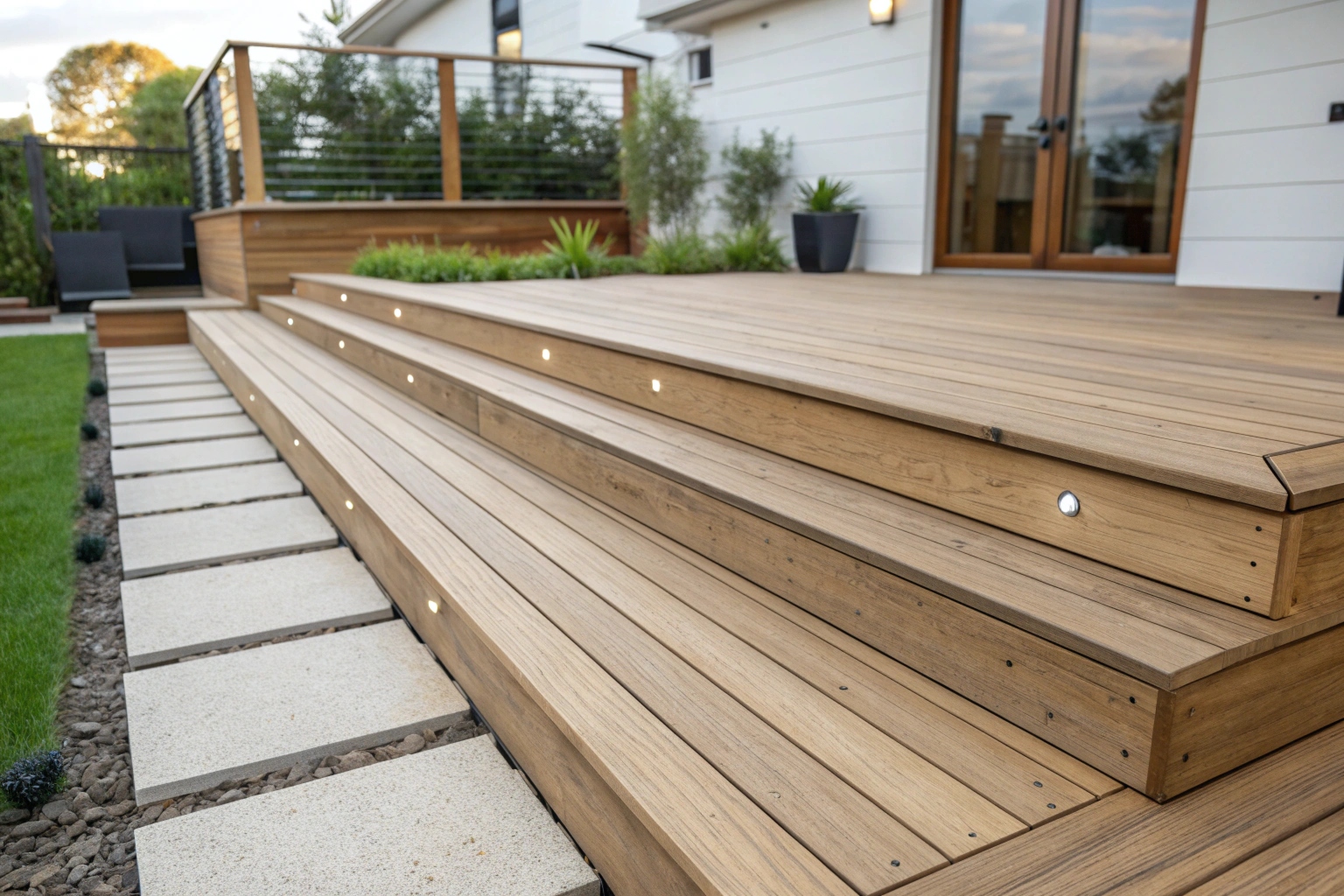
Hobart Considerations
Moisture Management is Critical
Tasmania’s climate is wet – really wet. Between autumn rains, winter snow melt, and those surprise summer downpours, your ground-level deck’s sitting in one of Australia’s dampest environments. That’s why we obsess over moisture control. Poor ventilation under your deck means trapped dampness, which means rot in your joists and bearers within 3-5 years. We’ve replaced too many decks in West Hobart and Mount Nelson that failed because the builder didn’t account for our local conditions.
Sub-Floor Ventilation Isn’t Negotiable
Every ground-level deck we build has minimum 150mm clearance underneath (often 200mm+), with cross-ventilation from multiple sides. Air needs to flow through, drying out any moisture that gets in. We also avoid enclosed deck skirting unless there’s proper vent panels – sealing up the underside is asking for problems.
Termite Protection for Peace of Mind
Hobart’s termite risk sits around moderate – we’re not Brisbane, but we’re not immune either. Ground-level decks are more vulnerable because they’re closer to the soil where termites live. We install Kordon barriers, use treated timber rated for ground contact on posts, and create inspection zones so you can spot any activity early.
Council Approval (Often Exempt)
Most ground-level decks under 300mm high don’t need planning approval in Hobart, but there’s exceptions. Heritage overlay areas like Battery Point and South Hobart sometimes require permits even for low decks. Properties in bushfire-prone zones (near Mount Wellington) have different rules. We check your specific address and zoning before quoting.
Drainage and Fall Away from House
We grade the ground under your deck to slope away from your house – usually a 1:100 fall minimum. Water that pools under your deck eventually finds its way into your subfloor or causes foundation issues. In really wet spots, we install ag-line drainage to move water right away from the structure.
Flood-Prone Area Considerations
Some low-lying Hobart suburbs – parts of Glenorchy, Claremont, certain Kingston areas – sit in flood zones. If your property’s affected, a ground-level deck might not be suitable, or it needs to be built to withstand occasional inundation. We check flood mapping for your address during the planning stage.

Ground-Level Deck Design Options
Wraparound Garden Decks
One of our most popular Hobart designs is the wraparound ground-level deck that flows through existing garden beds and around trees. We’ve done beautiful Kingston projects where the deck winds between established plantings, creating different outdoor zones – dining area near the kitchen door, quiet reading nook under the tree, kids’ play space down the side. Because you’re not dealing with height and railings, ground-level decks can follow your garden’s natural shape.
Entertaining Platforms
Simple rectangular or L-shaped decks work brilliantly for entertaining. We build plenty of these in Sandy Bay and Battery Point – usually 20-35m² – sized to fit a dining table, BBQ area, and some lounge furniture. Step straight out your back door onto a level surface that’s actually usable, not the muddy lawn you’ve been avoiding.
Pathway and Transition Decks
Ground-level decks don’t have to be big entertaining areas. We’ve built narrow pathway decks (1.2-1.5m wide) connecting different parts of Hobart properties – linking the back door to a shed, creating a dry walkway to the clothesline, or transitioning between lawn areas on sloped blocks. These smaller projects often come in under $5,000 and solve real practical problems.
Pool Surrounds
For properties with above-ground or semi-inground pools, a ground-level deck creates a safe, non-slip surround that’s way better than pavers or concrete. We use composite decking for these because chlorine and constant moisture destroy timber quickly. The composite stays cool underfoot even in summer sun and needs zero maintenance.
Accessible Entry Decks
Replacing steep front or back steps with a gentle-sloped ground-level deck makes homes accessible for wheelchairs, walkers, or anyone with mobility issues. We’ve done several South Hobart and Mount Nelson projects where we’ve removed old concrete steps and built low timber ramps that blend beautifully with the property.
Decking Hobart Specialist
Why Choose Our Ground-Level Deck Service
We Understand Hobart’s Climate Challenges
We’ve seen what happens when mainland builders come to Hobart and build decks the same way they do in Sydney or Melbourne. Within 3-5 years, the moisture damage starts showing up. We’ve been working in Tasmania long enough to know that Hobart’s combination of heavy rainfall, frost, humidity, and temperature swings requires a different approach. Every ground-level deck we build accounts for these conditions from day one.
Transparent Pricing, No Surprises
You’ll get a detailed quote breaking down materials, labour, drainage work, termite protection – everything. We don’t hide costs in vague line items, and we don’t come back halfway through asking for more money because we “found issues.” Our quotes include contingencies for the unexpected stuff, so the price you agree to is the price you pay.
Licensed, Insured, and Experienced
We’re fully licensed builders with current insurance, and we’ve built hundreds of decks across Greater Hobart. You’re not getting a handyman who does decks on the side – you’re getting trades who specialise in outdoor construction and understand structural requirements, drainage engineering, and council compliance.
Quality Materials That Last
We don’t use cheap hardware store timber that’s barely treated. Our timber comes from suppliers who understand the Tasmanian market – properly kiln-dried, correctly treated to H3 or H4 standards, and sourced from sustainable forests. Our composite options are premium brands with 25+ year warranties, not the cheap stuff that fades and cracks.
Local References You Can Actually Contact
We’ve built ground-level decks in Battery Point, Sandy Bay, Kingston, South Hobart, Blackmans Bay, and right across the region. We’re happy to provide references from recent clients, and most are fine with you driving past to see how their deck’s holding up. Our work speaks for itself.
Fast, Professional Installation
Most ground-level deck projects take 1-2 weeks from start to finish. We show up when we say we will, we work efficiently, and we clean up properly at the end of each day. Your property won’t be a construction site for months on end.

Frequently Asked Questions
Most of the time, no – and that’s one of the biggest advantages of ground-level decks. In Hobart, if your deck’s under 300mm above natural ground level and meets certain setback requirements from boundaries, it’s usually exempt from planning approval. That saves you 6-8 weeks of waiting and $1,500-$3,000 in fees. But there’s exceptions. Heritage overlay areas like Battery Point, South Hobart, and parts of Sandy Bay sometimes require approval even for low decks. Properties with conservation covenants or bushfire attack level (BAL) ratings have different rules. We check your specific address and zoning during the quote stage, so you know exactly what’s needed before we start. If approval is required, we can handle the application process for you.
We aim for minimum 150mm clearance between the ground and the underside of your joists – preferably 200mm or more. That might not sound like much, but it’s absolutely critical for ventilation and moisture control in Hobart’s wet climate. Anything less than 150mm and you’re risking trapped moisture, poor airflow, and accelerated timber rot. We’ve repaired decks in Kingston and Blackmans Bay that failed within 5 years because they were built too close to the ground. The extra clearance also gives you access for termite inspections and lets you spot any drainage issues before they become expensive problems. On properties with poor drainage or heavy clay soils, we’ll go even higher – sometimes 250-300mm – to make sure there’s never standing water underneath.
Three ways: ventilation, drainage, and material selection. First, we make sure air flows freely under your deck from multiple sides – no sealed skirting, proper clearances, cross-ventilation. Second, we grade the ground underneath to slope away from your house (1:100 fall minimum), and install ag-line drainage in wet spots. Water needs to move away, not pool. Third, we use properly treated timber (H3 for decking and joists, H4 for any in-ground posts), or composite materials that won’t rot at all. We also use stainless steel fasteners that won’t rust and cause water entry points. Hobart gets 600mm+ of rain annually, plus morning dew, fog, and humidity – moisture management isn’t optional, it’s the difference between a deck that lasts 20+ years and one that’s rotting in 5.
Depends what you value more – upfront cost or long-term maintenance. Treated pine timber costs less initially (around $200-$280 per m² installed), but needs oiling every 1-2 years to maintain appearance and protection. Composite decking costs more upfront ($320-$450 per m² installed), but needs zero maintenance beyond occasional washing. For ground-level decks specifically, composite has an advantage – it won’t rot, won’t splinter, and performs brilliantly in Hobart’s damp conditions. We install both regularly. Families with young kids often go composite because there’s no splinters and no maintenance chemicals to worry about. Heritage home owners sometimes prefer the natural look of hardwood timber like spotted gum or merbau. We bring samples to your property during the quote stage so you can see and feel the difference before deciding.

Ready to Add Usable Outdoor Space to Your Hobart Property?
If you’ve been looking at your backyard thinking “we could actually use that space,” a ground-level deck might be exactly what you need. No massive costs, no complicated council approvals for most properties, and no months of construction disrupting your life.
We offer free on-site quotes across Greater Hobart – Battery Point, Sandy Bay, Kingston, South Hobart, West Hobart, Mount Nelson, Blackmans Bay, Howrah, and surrounding areas. We’ll come out, look at your property, discuss what you’re trying to achieve, and give you an honest assessment of whether a ground-level deck makes sense for your situation. Sometimes it doesn’t – if your block’s too steep or drainage is impossible, we’ll tell you straight up rather than waste your time.
The quote includes everything: materials, labour, drainage work, termite protection, and council compliance checking. You’ll know exactly what you’re getting and what it costs before any work starts.
Contact us today for your free Hobart ground-level deck quote. Most quotes are turned around within 3-5 business days, and we’re usually booking 4-6 weeks out for construction depending on the season.
Let’s build you a deck that’ll still be solid 20 years from now.
