

Expert Gazebo Builder Serving Hobart & Tasmania
You know that feeling when you’re sitting on your back deck on a rainy Hobart afternoon, watching the weather roll in off the mountain, thinking “I could be out here enjoying this if I just had some proper cover”? We hear that story almost every week from Hobart homeowners who finally decided to do something about their outdoor space.
Custom-built gazebos have been our specialty for years, and there’s a big difference between what we do and what you’ll get with a flat-pack kit from a big box store. We’re talking proper Tasmanian-built structures that’ll handle everything our weather throws at them – the howling northwesterlies that come screaming across the Derwent, the driving rain that seems to come from every direction at once, even the occasional snow if you’re up in the foothills.
Our team builds timber gazebos, steel frame structures, and hybrid designs that combine the best of both materials. Whether you’re after a traditional timber pavilion for your garden in Sandy Bay or a modern steel-framed entertaining area that’ll stand up to coastal conditions in Howrah, we design and construct each gazebo to meet Australian Standards for wind loads (AS 1170) and bushfire requirements (AS 3959) where needed.
We service right across Greater Hobart and into regional Tasmania, and every build starts with understanding what you actually need – not just selling you what’s easiest for us to install.
Decking Hobart Specialist
Types of Gazebos We Build
Most people don’t realise just how many different gazebo styles are actually out there until they start looking properly. What works for a sheltered property in North Hobart won’t necessarily be right for someone dealing with salt air down in Bellerive, and that’s where understanding materials makes a real difference.
Timber Gazebos
There’s something about a well-built timber structure that just fits with Tasmania’s landscape. We work with treated pine for budget-conscious projects and Tasmanian hardwoods when you want that premium look and extra longevity. Traditional post-and-beam construction gives you that classic gazebo feel – perfect for gardens around Dynnyrne or country properties out toward Richmond. The natural timber aesthetic blends right into Hobart’s leafy suburbs without looking out of place.
Steel Frame Gazebos
For coastal areas or anywhere you want minimal maintenance, steel frame construction makes more sense. Powder-coated aluminium or steel frames won’t rot, won’t need repainting every few years, and they handle wind loads better than timber – which matters a lot if you’re in exposed spots like Mount Nelson or anywhere along the eastern shore. The modern look suits contemporary homes, and honestly, in Tasmania’s wet climate, the longevity of steel is hard to beat.
Hybrid Structures
Sometimes the best answer is combining both materials. Steel frame for strength and durability, timber accents for warmth and character. We build custom hybrid designs that let you have the structural benefits of steel where you need it and the visual appeal of timber where you want it.
Roofing Options
Your roof choice changes everything about how the gazebo performs. Colorbond steel is what most Hobart builds use – it’s proven in our conditions and available in colours that complement existing rooflines. Timber shingles or shakes give that heritage look for period homes around Battery Point. Polycarbonate panels work when you want natural light transmission, and insulated panel roofing creates genuine year-round outdoor rooms for people serious about using their gazebo in winter.

Our Gazebo Building Services
We handle gazebo projects from start to finish, which means you’re not juggling three different contractors trying to get everyone to show up at the right time. One team, one point of contact, everything coordinated properly.
Gazebo Installation
Our standard installation service covers the whole process – site preparation, foundation work, structural build, roofing, and all the finishing details. We manage council permits where needed (and trust us, knowing which Hobart councils require what paperwork saves you weeks of hassle). From the first site visit to the final handover, you’re dealing with the same crew who actually understand what they quoted.
Outdoor Pavilion Construction
Larger entertaining structures need more than just standard gazebo construction. We build commercial-grade pavilions for properties where you’re planning serious outdoor entertaining or need event space that’ll handle bigger groups. These are substantial structures – proper pavilions built to last decades, not weekend projects that’ll need replacing in five years.
Timber Gazebo Building
Traditional carpentry is where a lot of our work still sits. Custom timber selection, heritage-style designs for period homes, joinery that actually fits properly – this is proper woodworking, not just slapping together pre-cut pieces. If you’re restoring a character home around North Hobart or Battery Point, you want timber work that matches the quality of your existing property.
Custom Gazebo Design and Build
Not every property fits standard designs. Sloping blocks, heritage overlays, awkward spaces between existing structures, specific views you want to capture – custom projects need someone who can actually design solutions, not just install what comes in the kit. We work with your site constraints and turn them into features instead of limitations.
From concept to completion, we handle every aspect of your gazebo build.
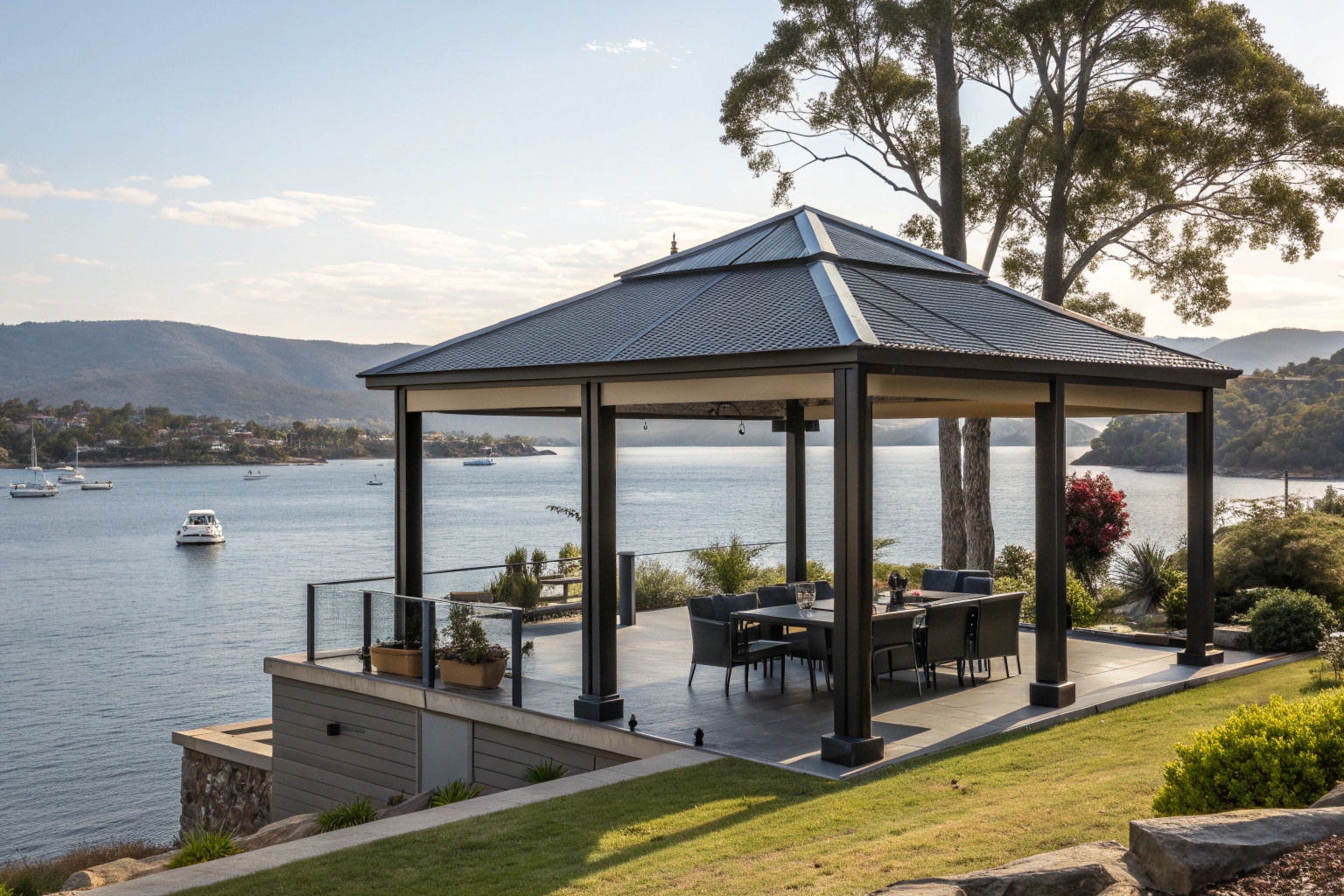
Why Choose Our Gazebo Building Service
There’s plenty of people who’ll put up a gazebo in Hobart. The difference comes down to whether they actually understand what they’re building and why certain choices matter in Tasmania’s conditions.
We’re local Hobart builders who’ve been working across Greater Hobart long enough to know that what works in Glenorchy might need tweaking for Kingston, and a structure in Howrah faces completely different challenges than one up in West Hobart. That local knowledge changes how we approach every build.
Custom design capability means we’re not limited to whatever’s in the supplier’s catalogue. Your property gets a gazebo designed for your actual site, your intended use, and your budget – not whatever’s easiest for us to order.
Quality materials selected for Hobart’s climate make the difference between a structure that lasts twenty years and one that starts looking shabby after five. We choose timber treatments, fixings, and fasteners based on what actually performs here, not what’s cheapest to source.
For properties in challenging locations – exposed coastal sites, sloping blocks, areas with high wind loads – we work with structural engineering to make sure your gazebo isn’t just pretty, it’s properly built. Council compliance is another area where experience counts. Hobart City Council has different requirements than Clarence or Kingborough or Glenorchy, and we know what each one wants to see.
Bushfire zone experience matters for properties in the foothills – Mount Nelson, Fern Tree, areas around Tolmans Hill. BAL-rated construction isn’t something you figure out as you go.
We’re licensed builders with qualified carpenters and full insurance coverage, which shouldn’t be a selling point but apparently still is in this industry.

Hobart & Tasmania Building Considerations
Building in Hobart isn’t the same as building on the mainland, and anyone who tells you different hasn’t dealt with a proper southerly buster or tried to get something approved in a heritage overlay area.
Wind Load Requirements
Coastal suburbs like Sandy Bay, Battery Point, and Howrah cop serious wind exposure, which means your gazebo needs higher wind ratings than what’d be fine somewhere sheltered. Same goes for foothills properties around Mount Nelson or West Hobart – being elevated changes everything about wind loads. We design to AS 1170 compliance because structural integrity isn’t optional when you’re building something that needs to handle Hobart’s weather.
Council Requirements
The rules for when you need permits vary depending on size, setbacks, and height – but they also vary between councils. Hobart City Council wants different documentation than what Clarence or Kingborough require. Heritage overlay areas around Battery Point and North Hobart have extra restrictions, and newer subdivisions often have covenant restrictions that aren’t immediately obvious until you actually check.
Climate Durability
Timber needs proper treatment for moisture resistance in a climate where we get 600mm+ of annual rainfall. Rust-proof fixings and fasteners aren’t negotiable. Foundation design has to account for potential frost heave in certain areas, and drainage matters more than people think when you’re dealing with Hobart’s wet winters.
Bushfire Zones
Properties in surrounding suburbs need BAL-rated materials, ember guard mesh, and non-combustible roofing. This isn’t suggestions – it’s building code for designated bushfire zones.
Decking Hobart Specialist
Gazebo Design Considerations
Before you start picking out paint colours, there’s a few practical things worth thinking through that’ll make a big difference to how much you actually use your gazebo.
Size and scale needs to be proportional to your property – a massive pavilion on a small suburban block looks ridiculous, and a tiny gazebo on a large garden property just gets lost. Think about what you’re planning to use it for. Entertaining means you need room for furniture and people to move around. Spa enclosure is completely different requirements. Garden feature or outdoor dining area – they’re all different sizes.
Style should match your existing home architecture unless you’re deliberately going for contrast. A modern steel structure can look great with a contemporary home but might clash badly with a heritage cottage.
Location on your property matters more than most people realise. Where’s the sun at different times of day? What views do you want to capture or block? Which way do prevailing winds come from – and more importantly, where do you get those vicious cold southerlies that make outdoor spaces unusable? Privacy from neighbours might influence placement too.
Flooring options change the whole feel and cost. Timber decking, pavers, or concrete slab – each has different maintenance needs and price points.
Additions like built-in seating, lighting, heating, or screens can be added later, but it’s cheaper and easier to plan them into the original build.
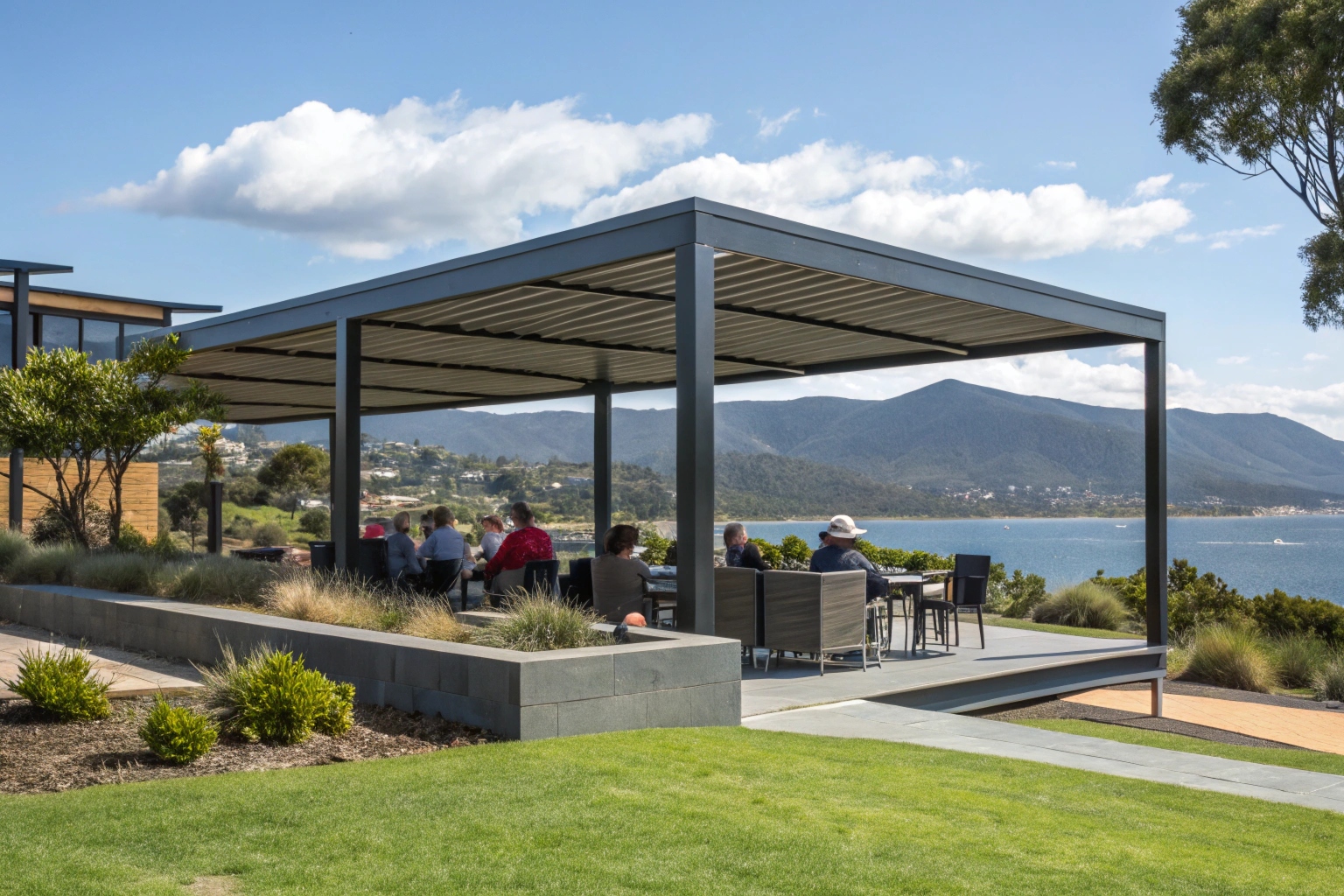
The Gazebo Building Process
Most people want to know what they’re actually getting into before they commit to a project, and honestly, the process is pretty straightforward when you’re working with builders who’ve done it before.
Initial consultation is where we come out to your property, look at the site, talk through what you want, and figure out what’s actually possible given your space and budget. We’ll point out things you might not have thought about – drainage issues, access for materials, how the structure sits relative to boundary lines.
Design and planning happens next. For simple projects, we work from our existing designs with modifications. Custom builds need proper drawings and sometimes engineering input if you’re dealing with challenging sites. This is when we sort out council permits if you need them – different story depending on which Hobart council area you’re in and what you’re building.
Timeline from approval to completion usually runs 4-8 weeks for standard gazebos, longer for large custom pavilions or if we’re waiting on specialty materials. Weather can push things out too – you can’t pour concrete foundations in heavy rain, and some finishes won’t cure properly in cold conditions.
Site preparation and foundation work takes a few days. Then frame construction, roofing, and finishing details. We clean up properly when we’re done, which shouldn’t need mentioning but apparently does.
Final inspection covers everything with you before we consider the job complete. Any minor adjustments get sorted then and there.

Frequently Asked Questions About Gazebo Building in Hobart
Depends on the size, height, and where it sits on your property. Generally, if you’re staying under 10 square meters and meeting setback requirements, you might not need approval. But Hobart City, Clarence, Kingborough, and Glenorchy councils all have slightly different rules. Heritage overlay areas like Battery Point have extra restrictions. We sort out what’s needed during the initial site visit because getting caught without proper permits creates expensive headaches later.
Mostly size and purpose. Gazebos are typically smaller standalone structures, often open-sided, used as garden features or small entertaining spaces. Pavilions are larger, more substantial buildings designed for serious outdoor entertaining or event space. The construction methods overlap, but pavilions usually need more robust engineering and foundations.
Standard gazebos run 4-8 weeks from approval to completion. Large custom pavilions or complicated sites take longer. Weather impacts timelines – can’t pour foundations in heavy rain, and some materials won’t cure properly in Hobart’s cold winter conditions. We give you realistic timeframes upfront, not optimistic guesses that never happen.
Treated pine handles our wet conditions well and keeps costs reasonable. Tasmanian hardwoods like Tasmanian Oak give you premium durability and that natural timber look. Whatever timber we use gets proper treatment for moisture resistance – non-negotiable in a climate with 600mm+ annual rainfall.
Yes, but it requires BAL-rated materials and specific construction methods. Properties around Mount Nelson, Fern Tree, and other foothills areas need ember guard mesh and non-combustible roofing. We’ve built plenty of structures in bushfire zones – it’s about knowing the requirements and building to code.
Basic timber gazebos start around $8,000-$12,000. Quality steel frame structures or larger timber builds run $15,000-$30,000. Custom pavilions with all the bells and whistles can go higher depending on size and finishes. Site access, foundation requirements, and council permits all impact final costs. We provide detailed quotes after seeing your actual property.
We handle design as part of the build process. For straightforward projects, we adapt our existing designs to suit your site. Custom builds get proper drawings, and we’ll work with architects if your project needs that level of detail. One team handling design and construction means fewer miscommunications and a finished product that actually matches what you were expecting.

Ready to Build Your Hobart Gazebo?
If you’ve been thinking about adding a gazebo for a while now, putting it off won’t make your outdoor space any more usable when the weather’s decent. Hobart summers are too short to waste sitting inside wishing you had proper outdoor cover.
We’ve built gazebos and pavilions across Greater Hobart – from coastal properties dealing with salt air to foothills homes needing bushfire-rated construction. Every project starts with understanding what you actually need, not pushing whatever’s easiest for us to install.
Get in touch for a free site visit and quote. We’ll come out to your property, look at your space, talk through what’s possible within your budget, and give you an honest assessment of what’s involved. No pressure, no sales pitch – just straightforward advice from builders who know Hobart’s conditions and council requirements.
Whether you’re after a simple timber gazebo for your backyard or a substantial pavilion for serious entertaining, we’ll tell you exactly what it takes to build something that’ll still be standing strong twenty years from now.
Call us today or fill out the contact form. Let’s talk about what we can build for your property.
